Most homes do not get messy because people are lazy. They get messy because cleaning happens in bursts: nothing for two weeks, then an exhausting Saturday trying to catch up. A weekly cleaning routine breaks that cycle. Instead of one overwhelming session, you spread small, predictable tasks across the week so the house never gets far out of control. The result is a home that stays reasonably tidy with less effort and far less stress.
This guide shows you how to build a simple weekly cleaning routine that fits real life, whether you live alone, with a partner or with a busy household.
Why a Routine Beats a Cleaning Marathon
A routine works because it turns cleaning from a decision into a habit. When Monday always means bathrooms and Thursday always means floors, you stop wasting energy deciding what to do and when. Small tasks also take less time when they are done regularly. Wiping a bathroom sink that was cleaned last week takes a minute. Scrubbing one that has been ignored for a month takes ten.
There is a mental benefit too. A home that is never more than a few days from clean feels calmer, and you can invite someone over without a panicked tidy.
Step 1: Separate Daily, Weekly and Monthly Tasks
Start by listing everything that needs doing, then sort it by how often it really needs attention.
Daily Habits (5 to 15 Minutes)
- Wash dishes or run the dishwasher
- Wipe kitchen counters and the stovetop after cooking
- Do a quick reset of the main living area: cushions, blankets, clutter back in place
- Deal with mail and paper as it arrives
Weekly Tasks
- Clean bathrooms: toilet, sink, shower or tub, mirror
- Vacuum and mop floors
- Dust surfaces
- Change bed linens
- Empty all trash cans and take out recycling
- Clear out old food from the fridge
Monthly or Seasonal Tasks
- Clean inside the microwave and oven
- Wipe baseboards, doors and light switches
- Wash windows and mirrors throughout the house
- Declutter one closet or cupboard
Keeping these lists separate is what stops a routine from feeling impossible. Your weekly plan only needs the middle list.
Step 2: Give Each Day One Focus
Rather than cleaning everything on the weekend, assign one main task or zone to each day. Here is a sample schedule you can adapt:
- Monday: Bathrooms
- Tuesday: Dusting throughout the house
- Wednesday: Kitchen deep wipe: fridge clear out, appliance fronts, sink
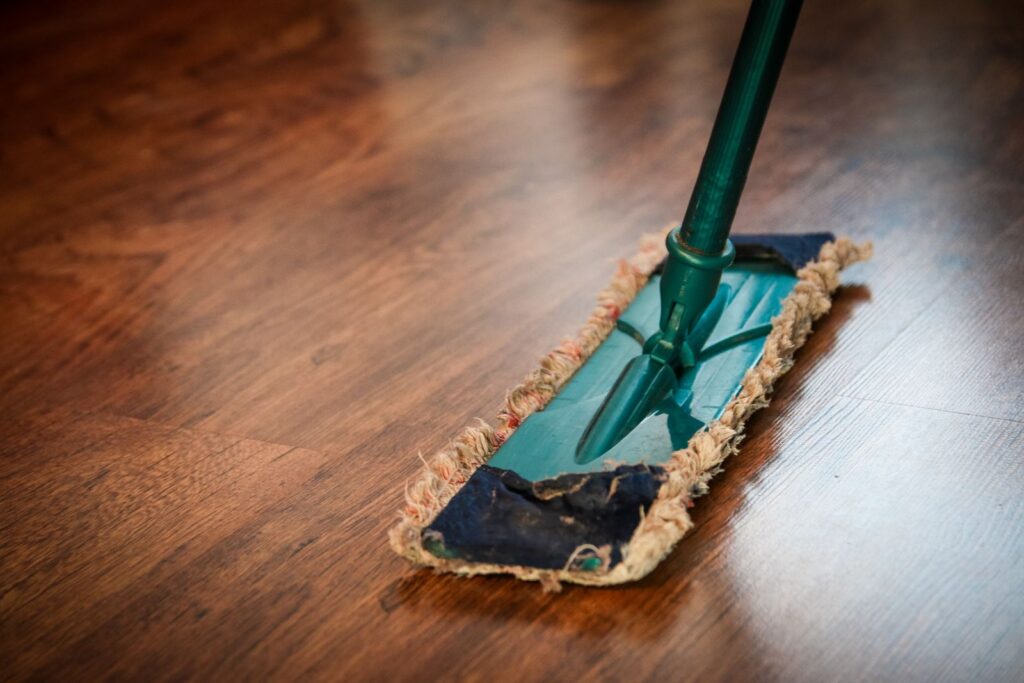
- Thursday: Vacuum and mop floors
- Friday: Laundry and bed linens
- Saturday: One monthly task or a flexible catch up
- Sunday: Rest, with just the daily habits
Each focus task should take around 15 to 30 minutes. If it takes much longer, split it into smaller pieces across two days.
Step 3: Make It Easy to Start
The hardest part of cleaning is often beginning. A few simple tricks lower that barrier:
- Keep supplies where you use them. A basic set of cleaning products in each bathroom and under the kitchen sink saves trips around the house.
- Set a timer. Telling yourself “just 15 minutes” makes a task feel manageable, and you will often keep going once you start.
- Attach cleaning to an existing habit. Wipe the bathroom sink after brushing your teeth, or tidy the kitchen while the kettle boils.
- Put on a podcast or playlist. Pairing chores with something enjoyable makes them easier to face.
Step 4: Share the Load
If you live with others, a weekly routine is a great way to divide chores fairly. Write the schedule down and assign tasks by person, rotating them if some are less popular. Children can take on age appropriate jobs such as making beds, setting the table or sorting laundry. When everyone knows what they are responsible for, there are fewer arguments about who did what.
Step 5: Keep It Flexible
No routine survives real life perfectly. Some weeks you will be sick, traveling or simply exhausted. That is fine. The goal is consistency over time, not perfection every single day. If you miss Monday’s bathrooms, fold them into Saturday’s catch up slot and move on. A routine that allows for bad weeks is one you will actually keep.
Common Mistakes to Avoid
- Making the plan too ambitious. Start with fewer tasks and add more once the habit is established.
- Cleaning clutter instead of removing it. Dusting around piles of stuff takes longer than dealing with the piles. Regular decluttering makes every other task faster.
- Skipping the daily habits. The few minutes each day are what make the weekly tasks quick.
- Using too many products. A good all purpose cleaner, a glass cleaner, a bathroom cleaner and some microfiber cloths handle most jobs.
How Much Time Does a Weekly Routine Really Take?
For a typical apartment or small house, a routine like this usually adds up to around two to three hours across the whole week, including the daily habits. That may sound like a lot, but it is often less than the time people spend on one exhausting weekend catch up, and it is spread into small pieces that are easy to fit around work and family life. Larger homes, pets and small children will add time, which is another reason to share the tasks. The first couple of weeks may feel slower while you are catching up on neglected areas. Once everything has been cleaned once, each session gets noticeably quicker.
Conclusion
A simple weekly cleaning routine is really about removing decisions and spreading effort. Sort your tasks into daily, weekly and monthly lists, give each day a single focus, make starting easy and share the work with the people you live with. Within a few weeks, the routine will feel automatic, your weekends will be your own again, and your home will stay comfortably clean without the marathon.